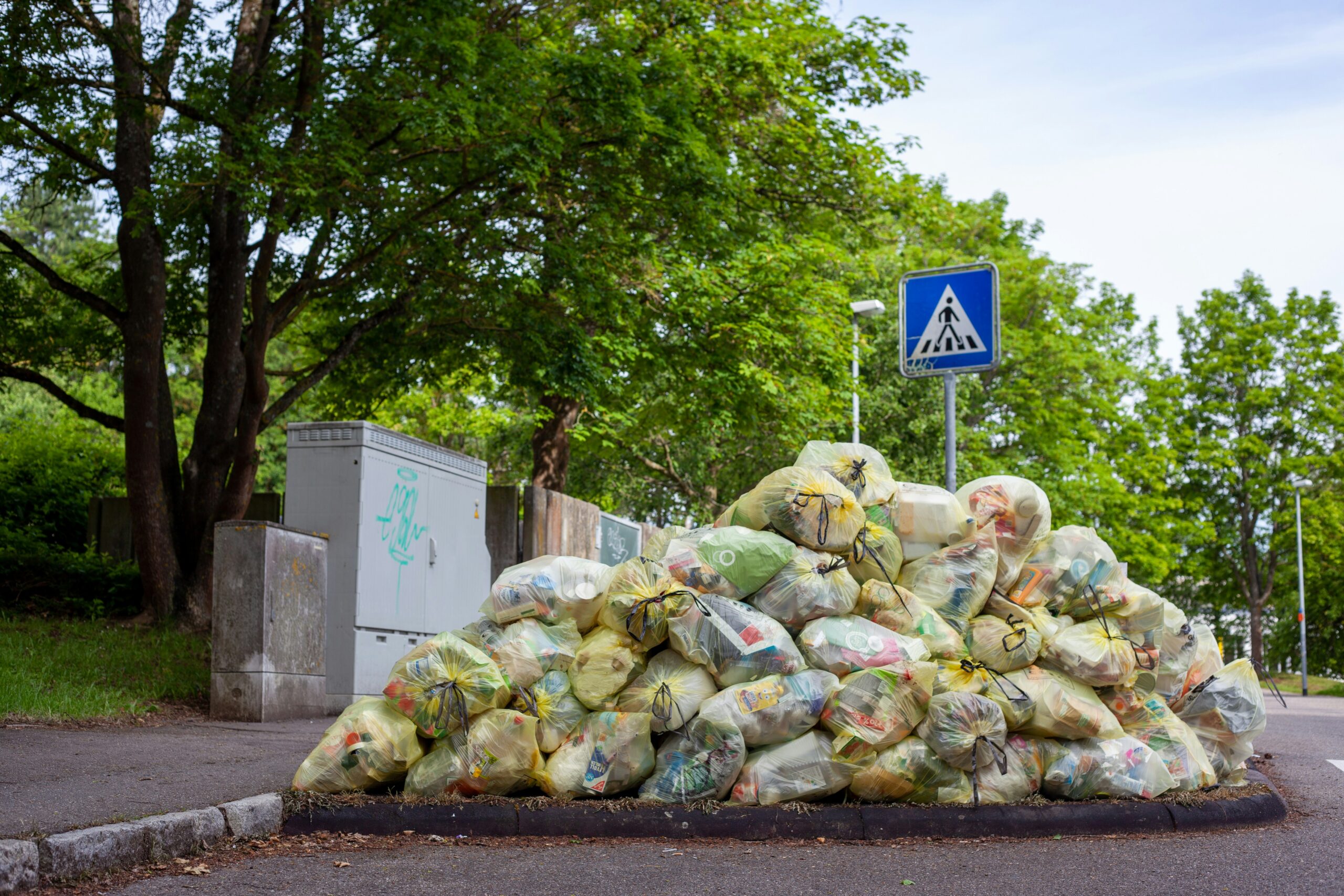
Food waste and loss represent a relevant and significant global issue. Approximately one-third of all food produced goes uneaten each year. Food waste perpetuates hunger and food insecurity, as millions of people worldwide lack access to an adequate food supply. By addressing food waste, we can conserve resources, reduce environmental impact, eliminate hunger, and promote a more sustainable food system, benefiting both people and the planet.
Food Waste vs Food Loss
Many confuse food waste with food loss and vice versa, however, there is a very thin line between the two. Food waste refers to edible food intentionally being discarded at the consumption or retail stage of the food production cycle. Food waste can occur for various reasons, such as inefficiencies in harvesting, storage, and transportation, overproduction, aesthetic standards, consumer behavior, and inadequate infrastructure for food preservation and distribution.
On the other hand, food loss refers to the decrease in the quantity or quality of food. “Food ‘loss’ occurs before the food reaches the consumer as a result of issues in the production, storage, and distribution phases,”(Harvard T.H. Chan School of Public Health. “Food Waste.” The Nutrition Source). It encompasses food that is intended for human consumption but is ultimately not consumed due to various factors such as spoilage, inefficiencies, and inadequate infrastructure.
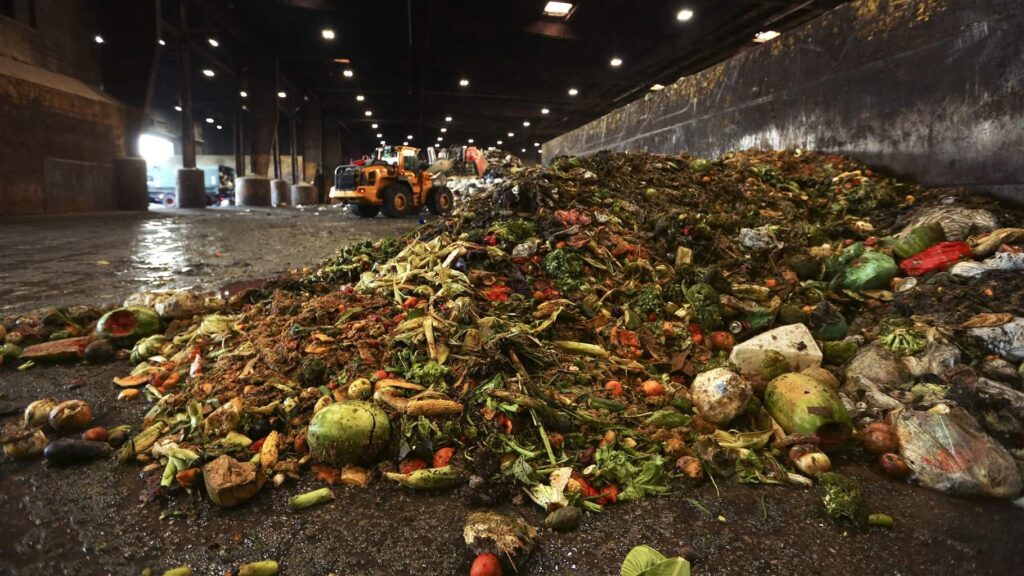
Why Should We Care?
There are many issues in the world, so you may be wondering why does one in a a billion even matter? As of 2023, 828 million people go to bed hungry every night. In the United States, an estimated 44 million people suffer from malnourishment and roughly 20,500 die annually. These numbers are on the rise; in 2018, only 9,300 deaths were caused from starvation. However, if we found a way to solve the food waste epidemic, 1.26 billion mouths could be fed. Even reducing food waste by 15% could feed 25 million people. By recognizing the impacts of food waste and loss, individuals, communities, and policymakers can work towards implementing strategies to minimize waste, optimize resource utilization, and foster a more sustainable food system for present and future generations.
Leave a Reply